
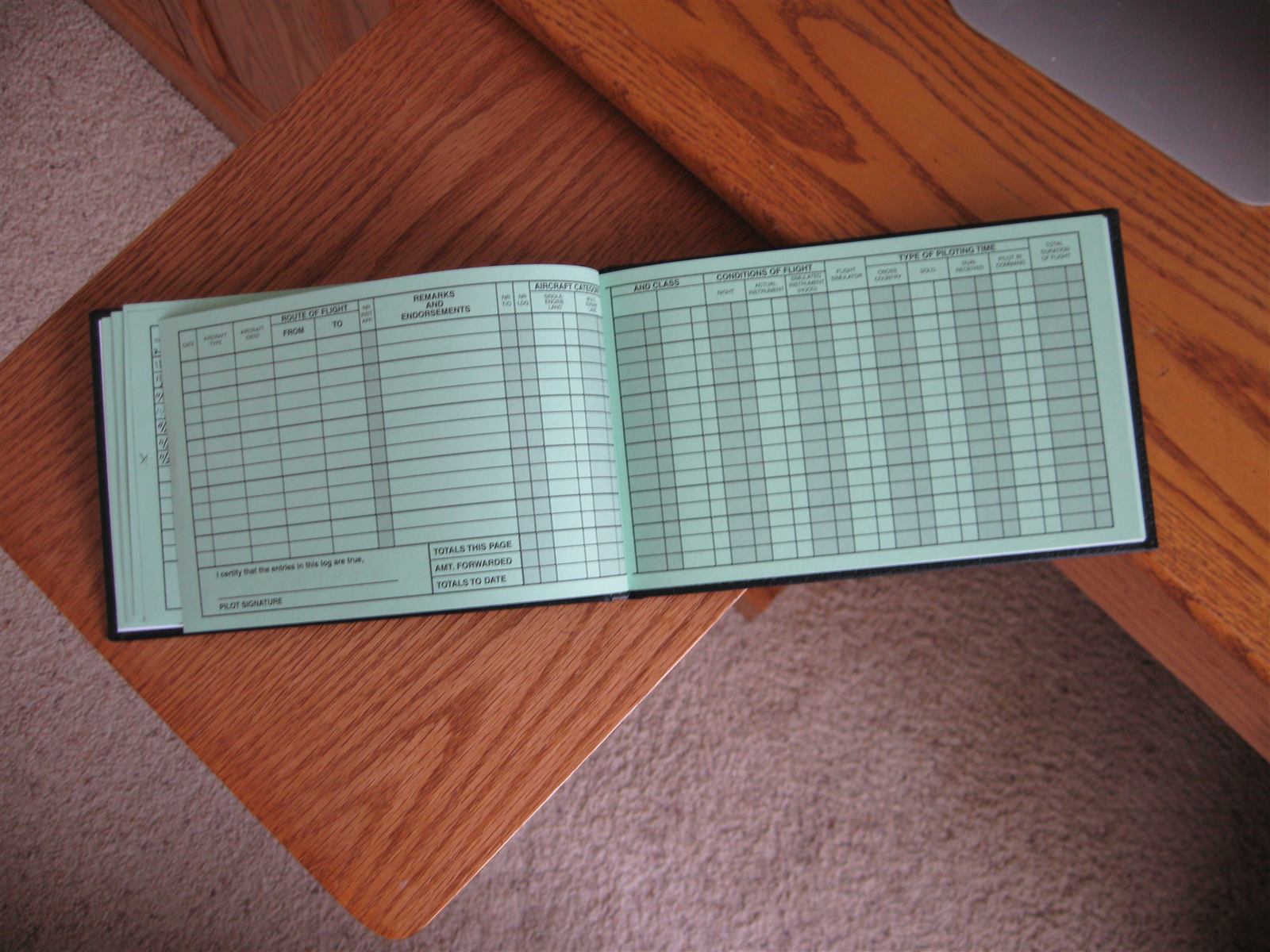
Score every line of PAVE and IMSAFE honestly, come out low risk across the board, and you can still be illegal to fly. Not because the weather turned or the aircraft developed a fault, but because a piece of paper in your flight bag expired last month or was never valid for what it claims to cover.
Every serious risk framework treats an invalid medical certificate as a hard stop, not a factor to be weighed against a good weather day. That is deliberate, and it is worth understanding exactly why.
The Short Version
- Kenya runs three medical certificate classes under the Civil Aviation (Personnel Licensing) Regulations 2018. Class 1 is for Commercial Pilot Licence (CPL) and Air Transport Pilot Licence (ATPL) holders, Class 2 covers the Student Pilot Licence and Private Pilot Licence (PPL), Class 3 is for air traffic controllers.
- A KCAA Class 2 medical is valid for two years if you are 40 or under, and one year once you pass 40. That age cliff catches career-change students who start training later.
- A small, named list of KCAA-designated Aviation Medical Examiners (AMEs) does this work, most of them based in Nairobi. Book ahead, especially upcountry.
- Regulation 12, "Decrease in medical fitness", imposes a duty that has nothing to do with your certificate's expiry date: if you know your fitness has dropped below standard, you must not exercise your licence, valid paper or not.
- Peer-reviewed research shows a meaningful share of pilots underreport conditions to their examiner out of fear of losing the certificate. That instinct is the opposite of what keeps you safe.
Three classes, and Kenya's version of them
ICAO Annex 1, Chapter 6 sets the international template: Class 1 medical assessments for commercial and airline transport pilots, Class 2 for private pilots, and Class 3 for air traffic controllers. Kenya adopts this structure directly.
Under the Civil Aviation (Personnel Licensing) Regulations, 2018, Regulations 150 and 154 govern the designation of Aviation Medical Examiners and their reporting duties to KCAA.
A Student Pilot Licence and a Private Pilot Licence both require a Class 2 medical. A Commercial Pilot Licence or Air Transport Pilot Licence requires the more demanding Class 1.
That means the medical you sit for on day one of your training, before you have logged a single hour, is already a legal gate. Fail it, and the syllabus does not start.
How long yours is actually valid
This is the detail most Kenyan students learn the hard way. Per CAA-O-PEL021, KCAA's order on issue, renewal, and re-issue of medical certificates, a Class 2 medical is valid for two years if you are 40 years old or younger, and drops to one year once you turn 41.
If you started your PPL at 38 and your training stretched past your fortieth birthday, thanks to a day job, weather delays, or funding gaps, your medical clock quietly changed pace under you. Nobody sends a reminder when your validity period shortens; the regulation just applies.
Cross-check your medical's expiry against your training timeline the same way you cross-check fuel against distance. It is exactly that kind of number, and it is exactly as unforgiving.
What actually happens if it lapses mid-course
A Student Pilot Licence and a PPL both carry their privileges conditional on holding a valid Class 2 medical, not as a one-time entry requirement but as a continuing one. Let it lapse mid-syllabus and the solo circuits or cross-country you had booked simply cannot happen legally, regardless of how ready your instructor thinks you are.
This is where the KCAA-approved flying school's own record-keeping matters. A school running a proper audit trail catches an expiring medical before it becomes a scheduling crisis, because it is checking licence and medical validity as a matter of course, not trusting each student to track their own paperwork.
If your school has never asked to see your medical certificate's expiry date, that is worth noticing. It says something about how seriously the administrative side of your training is being run.
The AME you will actually see
Aviation Medical Examiners in Kenya are licensed doctors specifically designated by KCAA, not any GP with a stethoscope. The KCAA Aviation Medicine directorate maintains the current list of who is authorised to conduct these examinations and sign the certificate on the Authority's behalf.
The practical reality is that this is a short list, and it is concentrated around Nairobi. If you are training out of an upcountry aerodrome, Nanyuki or Kisumu or further afield, budget travel time and appointment lead time into your planning the same way you would for a check ride.
A lapsed medical because you assumed you could get an appointment the week you needed one is not a KCAA problem. It is a planning problem, and it is entirely yours to own.
Regulation 12: the duty your certificate's expiry date does not capture
Here is the part most students never get taught properly. A valid, unexpired medical certificate is not the same as being fit to fly on a given day, and Kenyan law says so explicitly.
Regulation 12, "Decrease in medical fitness", of the same Personnel Licensing Regulations requires that a certificate holder who is aware of any decrease in medical fitness that could affect their ability to safely exercise the privileges of their licence must not do so, current certificate or not. A head cold, a new prescription, a rough week of sleep and stress stacking up: none of that shows up on the wallet card, and none of it waits for your renewal date to matter.
This is precisely why a risk framework worth using treats "no valid medical or licence" as a hard override rather than a weighted factor.
The certificate answers a legal question, and Regulation 12 answers the actual safety question. Only you are positioned to answer that second one honestly on any given morning.
The limited certificate nobody explains
Not every borderline finding at your medical ends the conversation. Kenya's Personnel Licensing Regulations provide for a medical certificate to be issued with a limitation endorsed on it, KCAA's mechanism for certifying a pilot whose fitness is conditional rather than absolute.
The most familiar version of this globally is a corrective-lenses limitation: fit to fly, provided you are wearing your glasses or contacts, endorsed directly on the certificate.
The broader point is that Kenyan medical certification is not a strict pass or fail gate for every finding. It has a built-in mechanism for a conditional yes, which only works if the condition that triggered it was disclosed and assessed by your AME in the first place.
A limitation you never got endorsed because you did not mention the underlying issue is not a limitation. It is an unreported disqualifying condition, and the two are not the same thing under the paperwork or under the law.
Worth flagging honestly: Kenya's personnel licensing framework is currently under review, with a 2024 draft regulation out for consultation alongside the wider Civil Aviation Bill. As of writing, the 2018 regulations cited here remain the current law, and this article is based on that current text rather than the draft.
Why pilots do not tell their examiner the truth
This is the human factors problem underneath all of the regulation, and it is bigger than most students assume. A cross-sectional survey published in Aerospace Medicine and Human Performance found that 12% of surveyed aviation personnel admitted to under-reporting information across categories including physical health, mental health, medication use, and alcohol use during self-certification.
The same study found that half of non-initial applicants knew of colleagues who had under-reported, and that being a commercial pilot was itself a risk factor for doing it. A separate peer-reviewed survey found that 56.1% of pilots reported a history of avoiding healthcare altogether specifically out of fear of losing their aeromedical certificate, and 26.8% admitted misrepresenting or withholding information on a health questionnaire.
Read that carefully. Pilots are not mostly failing to disclose a condition their doctor caught anyway.
A meaningful number are avoiding the doctor's office entirely, so the condition never gets caught, documented, treated, or endorsed with a limitation that would have kept them legally and safely flying.
Kenya's version of this pressure is sharper, not softer
A small AME pool cuts both ways. It means your examiner may genuinely get to know you across renewals, which is good medicine.
It can also mean a tighter, more visible flying-school community where a student worries that disclosing a mental health concern or a new diagnosis will travel further than it should. That fear is exactly the mechanism the underreporting research describes, and it is not unique to Kenya, but a smaller, closer aviation community does not automatically dilute it.
The honest move costs you a harder conversation today. The dishonest move costs you a certificate that was never actually valid, on a day when it mattered most, with nobody but you responsible for the gap.
What "getting cleared" can actually look like
It is worth knowing, even as background, that aeromedical systems elsewhere have formal pathways for pilots with a manageable condition to keep flying legally rather than being grounded outright. The FAA's special issuance process, described on AOPA's medical certification resources, allows a pilot with a disqualifying finding to be certified after demonstrating the condition is stable, monitored, and unlikely to impair safe flight.
That is a US process, not a Kenyan one, and this article does not claim KCAA's procedure mirrors it in detail.
The principle transfers regardless: disclosed and managed conditions have a route back to the cockpit in well-run aeromedical systems. Undisclosed ones do not, because nobody assessed them at all.
What pilots admit to once the certificate is not on the line
Pilot forums have a recognisable pattern whenever a medical certification thread comes up. Almost nobody posts about flying with an active, untreated condition they knew about, because that admission carries obvious weight.
What does surface, repeatedly, is the near-miss version: the student who delayed seeing a doctor about a persistent symptom for months rather than risk a finding on the medical, or the renewal that got pushed back because nobody budgeted for the drive to Nairobi and the appointment backlog.
The common thread is not recklessness. It is treating the medical certificate as an obstacle to manage around instead of the safety instrument it is meant to be.
Where this fits in a real risk assessment
A structured pre-flight tool like AngaBrief records medical and licence validity as a hard override precisely because Regulation 12 makes clear that legality and fitness are two separate questions, and both have to clear before anything else on the checklist counts. The tool records that check; it is not a dispatch authority, and the go or no-go decision always sits with the pilot in command and their instructor.
Key Takeaways
- A KCAA Class 2 medical is valid two years at 40 or under, one year past 40. Check this against your training timeline, not just your calendar.
- Kenya's AME pool is small and Nairobi-concentrated. Book renewals early, especially training upcountry.
- Regulation 12 requires self-grounding on any known drop in fitness, independent of your certificate's expiry date.
- Disclosed conditions can sometimes be certified with a limitation. Undisclosed ones cannot be certified at all, because they were never assessed.
- Peer-reviewed research shows underreporting to aeromedical examiners is common and driven by fear of losing the certificate, a pattern that works directly against pilot safety.