
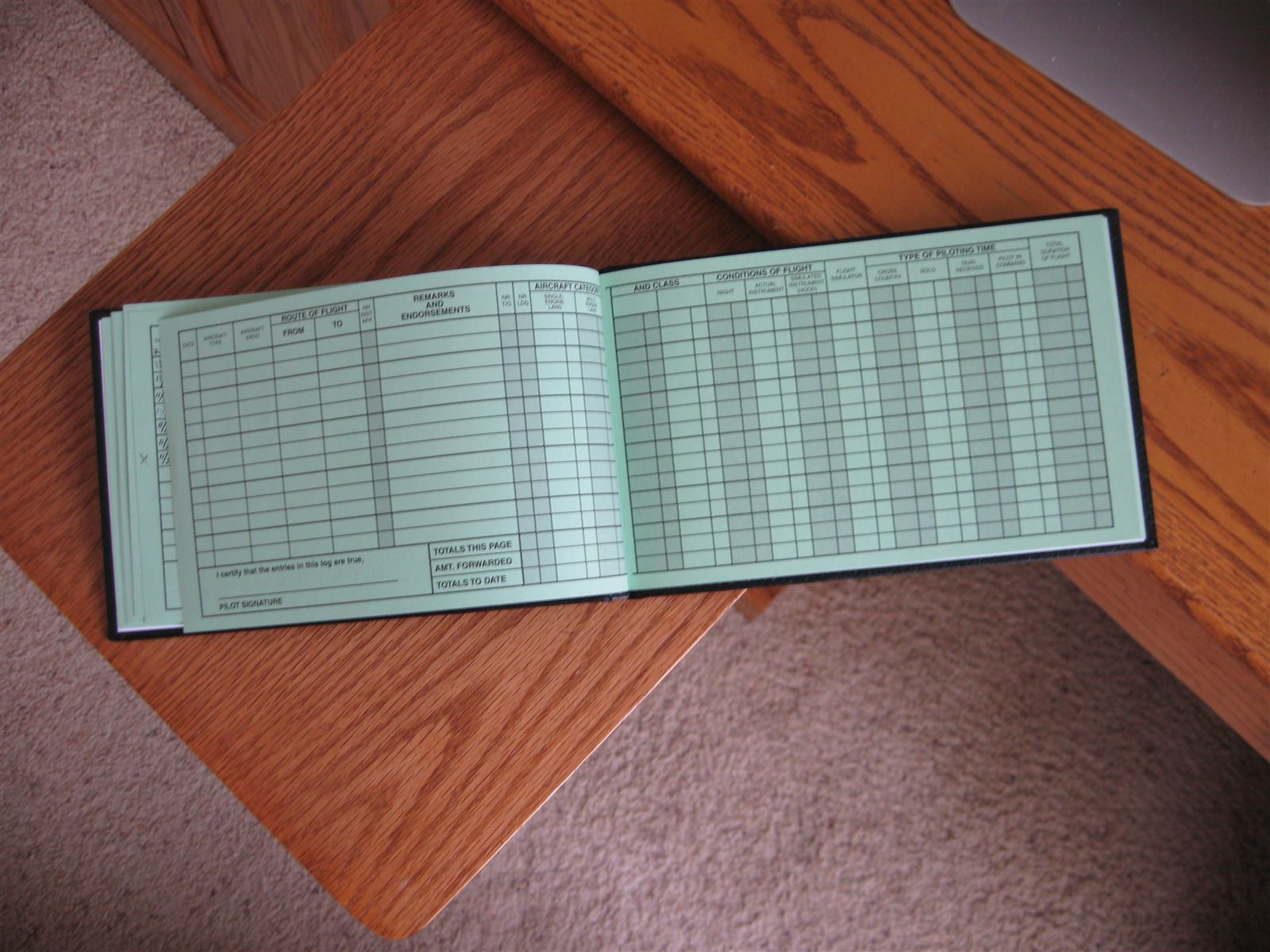
Open the PAVE checklist and the Pilot line looks like the easy one. Tick that you hold a valid licence and medical, tick that you are within your recency requirements, and move on to the harder categories.
That is exactly backwards. The Pilot line is where the checklist quietly assumes something that is often false: that being legal to fly and being ready to fly are the same thing.
Currency is a floor, not a green light
Currency is whatever the regulator says you must have done recently to legally act as pilot in command. The clearest example is the FAA's 14 CFR 61.57, which requires three takeoffs and three landings in the preceding 90 days before a pilot may carry passengers.
Notice what that rule does and does not measure. It counts landings, not quality of landings.
A pilot who scraped through three sloppy circuits 89 days ago is exactly as current as one who flew them crisply yesterday. The rule cannot see the difference, and that gap between "counted" and "competent" is the entire subject of this article.
KCAA runs its own recency and competency framework under the Civil Aviation (Personnel Licensing) Regulations, 2018, and licence renewal carries its own recent-experience conditions specific to your licence class and rating. The exact figures differ by licence and are worth confirming directly with your school or the current KCAA circular for your category, because currency rules do get revised.
What does not change licence to licence is the underlying limitation. A currency rule is a minimum floor set for administrative purposes, not a measurement of how ready you are for today's flight.
Proficiency asks a completely different question
The AOPA Air Safety Institute's currency versus proficiency material draws the line cleanly. Currency is about staying legal.
Proficiency is about whether you could actually handle whatever the flight throws at you, calmly and correctly, right now.
You can be current without being proficient. You are far less likely to be proficient without also being current, because genuine proficiency requires the repetition that currency counts anyway.
The distinction matters most in exactly the situations a student pilot cannot predict: a go-around forced by a sudden gust on short final, an engine rough-running indication at 500 feet after takeoff, a radio failure inbound to a busy circuit. Nobody schedules these.
Your proficiency on the day is whatever you brought with you, and currency numbers say nothing about it.
You are a bad judge of your own proficiency, and that is not an insult
Here is the uncomfortable part. The FAA's own Pilot Proficiency Training guidance, developed alongside the WINGS Pilot Proficiency Program, states plainly that pilots are seldom accurate in assessing their own level of proficiency in a given task, and that the problem is worst for infrequently performed manoeuvres such as emergency procedures.
Put another way, your ability to predict how well you would handle an engine failure is weakest precisely for the engine failure you have practised least recently. The FAA's Fly Safe loss-of-control safety campaign exists in large part because self-reported readiness keeps failing to predict actual performance when things go wrong.
This is not a character flaw. It is a structural feature of how confidence and competence decouple once a skill goes unpractised, and it is exactly why "I feel fine" cannot be the Pilot line's real test.
What the skill-decay research actually shows
The most cited work in this field is a meta-analysis by Arthur, Bennett, Stanush, and McNelly, published in the peer-reviewed journal Human Performance, which pooled 189 data points across 53 studies of skill retention after periods of non-use. The finding worth remembering: skill loss with non-practice is substantial and grows the longer the gap runs, but not all skills decay at the same rate.
Physical, natural, speed-based tasks, the kind that live in muscle memory, hold up comparatively well. Cognitive, procedural, and accuracy-based tasks decay faster.
Translate that into the cockpit and the implication is specific. Basic stick-and-rudder handling, the physical feel of the aircraft, tends to survive a gap reasonably well.
What erodes faster is exactly the material that matters when something goes wrong: emergency checklist flow, radio phraseology under pressure, the procedural sequence of a diversion, the decision-making chain PAVE itself is built to support.
SKYbrary's summary of skill fade reinforces the same pattern from an operational safety angle: private pilots resuming flying after a gap are especially exposed because, unlike airline crews recalled from leave, they rarely get structured simulator refreshers or formal proficiency checks before going straight back to solo flying.
Why the Kenyan training pattern manufactures this exact gap
Most writing on currency versus proficiency assumes a steady drip of lessons. Kenyan flight training rarely works that way, and the pattern is structural rather than a discipline problem in any individual student.
Exam seasons empty the logbook
A large share of Kenyan PPL and CPL students are self-funding around school, university, or a day job. KCSE, university exam blocks, and end-of-quarter work crunches routinely produce three or four week gaps in the middle of a syllabus, after which the student returns technically current on paper but rusty on the specific manoeuvre the syllabus left them mid-way through.
Weather cancellations bunch, they do not spread evenly
The long rains do not politely space themselves one week apart. A run of cancelled dawn slots at Wilson can strip ten days of planned flying into two, and the resulting gap often lands right before a syllabus milestone like first solo or a cross-country phase, when proficiency matters most.
Aircraft and slot scarcity compounds the gap
When a school aircraft goes into scheduled maintenance or an unscheduled snag, every student on that airframe absorbs the delay together. A returning student can be entirely within their recency window by the calendar and still be flying their first circuit in three weeks.
The syllabus rewards forward motion, not honest resets
Training programmes are built around progression, and a student who has just returned from a gap often feels pressure to pick up exactly where the syllabus left off rather than ask for a review lesson. That pressure is the Pilot category's version of the external-pressure trap covered elsewhere on this site: a true fact about the schedule that has nothing to do with whether you are actually ready.
A self-check that goes beyond IMSAFE
IMSAFE covers your fitness on the day: illness, medication, stress, alcohol, fatigue, emotion. It does not ask whether you have the skill on the shelf for what today's lesson demands, which is a separate question the Pilot category still owes you an honest answer to.
Run these factual questions before you accept a slot after any gap of more than a week or two:
- How many days since I last flew this specific aircraft type? Currency counts landings, not type-specific familiarity, and switching between a C152 and a PA-28 after a gap compounds rust with unfamiliarity.
- How many days since I last flew this exact syllabus item? Circuits held up better than the emergency descent you practised once, three lessons ago.
- Have I mentally rehearsed the manoeuvre since the gap started? The skill-decay research found that manoeuvres briefed or mentally rehearsed before flying showed measurably less decay than ones nobody thought through in advance. A ten-minute chair-fly the night before costs nothing and is not a substitute for practice, but it measurably helps.
- Am I returning to a milestone lesson (first solo, first cross-country, skills test) straight off a gap? If yes, the honest move is a review lesson first, not the milestone itself.
None of these questions have a pass-by-default answer. They are designed to surface a specific, nameable gap instead of letting "I've done this before" stand in for "I am ready to do this today".
What to do with an honest gap
Finding a proficiency gap is not a training failure. Flying through one silently is.
- Ask for a dual check before solo work resumes. A CFI (Certified Flight Instructor) can assess in ten minutes of circuits what you cannot reliably assess about yourself, precisely because the research says self-assessment is the weak link, not the instructor's judgement.
- Downgrade the lesson deliberately. Convert a scheduled solo or milestone flight into a dual review if the gap was significant. This is the same principle covered in our piece on fatigue and the F in IMSAFE: a conscious downgrade beats a silent default to the original plan.
- Rehearse before you fly, not just log hours after. Given that briefed manoeuvres decay less, spend real time the night before walking through the procedures you have not touched in weeks.
- Treat emergency and procedural items as the priority for refresher time. The research is consistent that these decay faster than basic handling, so they deserve first call on any limited catch-up time.
Instructors: read the calendar, not just the logbook
A student's currency numbers tell you they are legal. They tell you nothing about the three-week exam gap sitting in the middle of the logbook, or that the last time this student flew a full circuit was in a different aircraft type.
Before resuming a syllabus at the point it was interrupted, a quick honest question does more good than any form: "what have you actually practised, mentally or otherwise, since we last flew?" Students rarely volunteer an honest gap unprompted, for the same reason they rarely volunteer fatigue: in a training culture where hours cost money, admitting rust can feel like admitting waste.
Praising a requested review lesson the same way you would praise a good landing changes that calculus for the whole cohort, not just the one student who asked.
What pilots admit on the forums
Search pilot forums for currency versus proficiency and a familiar shape appears. Nobody posts bragging about flying straight back into solo work after a long gap and it going perfectly.
What does show up, repeatedly, is pilots describing the moment they realised their hands remembered the aircraft but their head did not: a checklist flow that suddenly felt unfamiliar, a radio call that came out garbled after weeks of silence, a landing that worked out but felt like luck rather than skill. The common thread in these accounts is not incompetence.
It is pilots who trusted a currency number to answer a proficiency question, and got away with it, which is a very different outcome from being right.
The Short Version
- Currency is a regulatory minimum. Proficiency is your actual ability to handle the flight in front of you, and the two are not the same measurement.
- Research on pilot self-assessment shows pilots are consistently poor at judging their own proficiency, especially for manoeuvres they rarely practise.
- A peer-reviewed meta-analysis of skill decay found cognitive and procedural skills fade faster than stick-and-rudder handling, which matters most for emergency drills and decision-making.
- The Kenyan training pattern of exam seasons, weather cancellations, and scarce slots produces students who are technically current with real proficiency gaps underneath.
- A specific, factual self-check beats a vague "I feel ready", and a dual check with your instructor is cheap insurance against a gap you cannot see yourself.
AngaBrief's Pilot section of the risk assessment asks about recency in specific, factual terms rather than a single yes/no box, precisely so a returning student cannot let a technically-legal gap hide behind a tick. The assessment records the honest picture; the decision to fly, downgrade, or request a review lesson always rests with the pilot in command and their instructor, not with the tool.
Key Takeaways
- Currency measures legal minimums. Proficiency measures actual readiness, and the two routinely diverge after any training gap.
- Pilots are demonstrably poor at self-assessing proficiency, especially for rarely-practised items like emergency procedures.
- Cognitive and procedural skills decay faster than basic handling, so refresher time should prioritise checklists, radio work, and decision-making over stick-and-rudder polish.
- Kenyan training gaps are often structural, not personal: exam seasons, weather bunching, and slot scarcity all produce currency-without-proficiency students.
- A specific self-check, a mental rehearsal, and an honest request for a dual review lesson are cheap insurance against a gap you cannot see yourself.